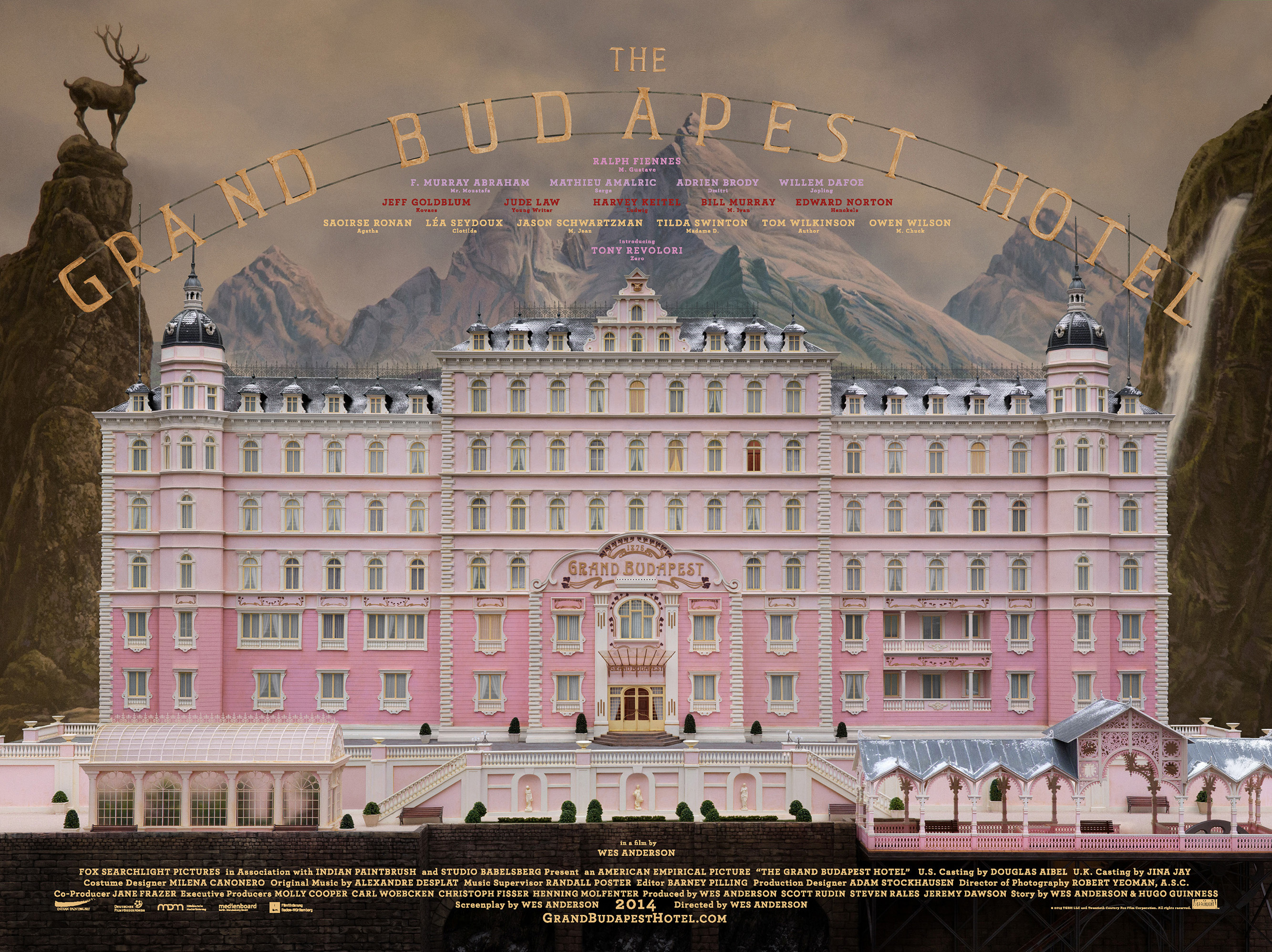
Early this week, I happened to stumble upon a movie called “The Grand Budapest Hotel” in my Apple TV. I have been noticing the poster of this movie, and somehow browsed along about the movie which received many positive reviews over the internet.
Then I decided to rent the movie.
I was instantly hooked.
“The Grand Budapest Hotel” has unique style. It is colourful, and has many artistic scenes which is a joy to watch. The cinematography is awesome. The storyline is fast-paced with flashbacks and interesting plot. The scripts are well-written and performed admirably by its casts (especially Ralph Fiennes, who played as “M. Gustave”, the main character in the movie). In summary, I’m fascinated by the movie, and I’m craving for more.
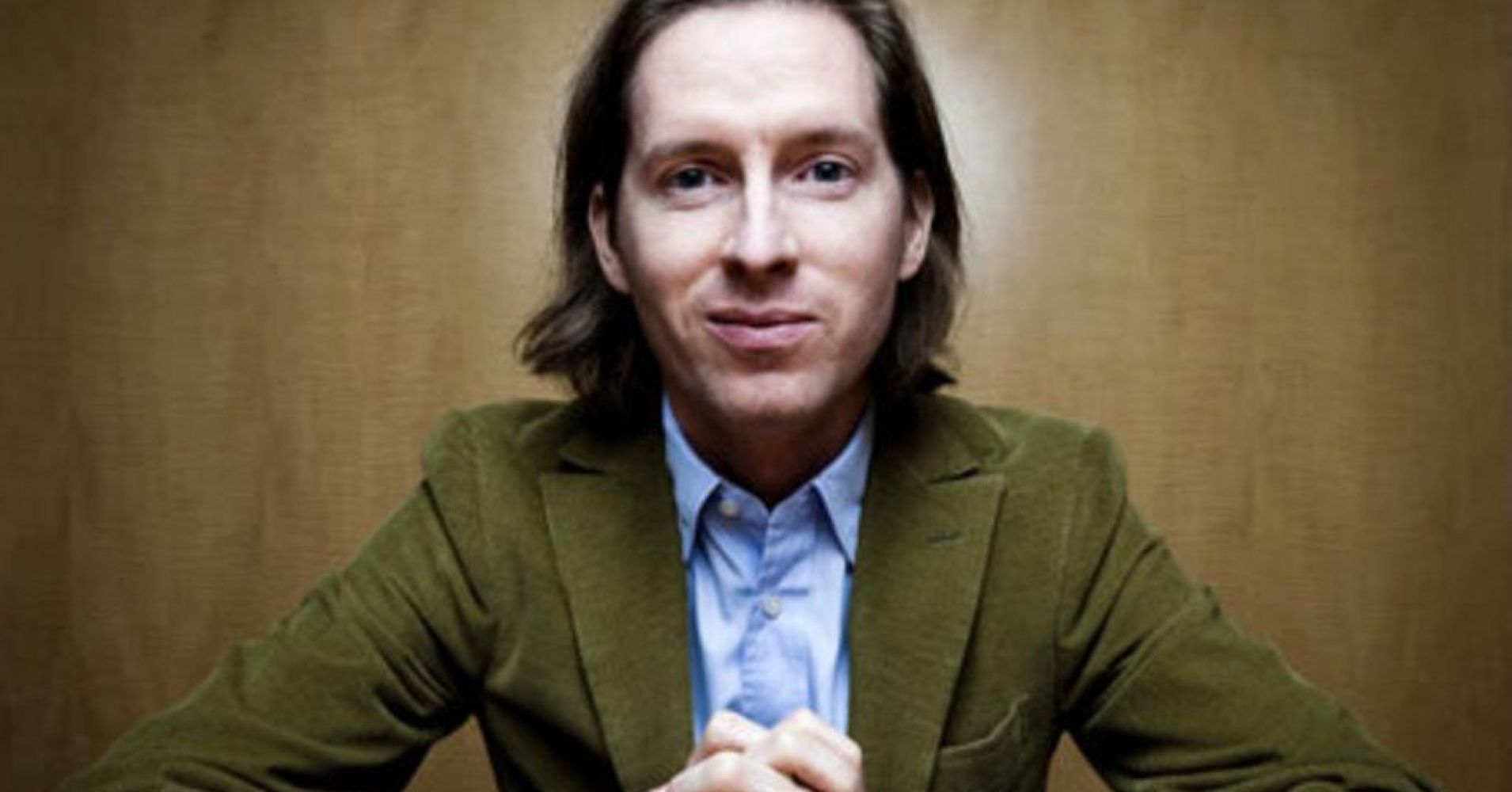
Several hours browsing the internet later, then I learned, that the ‘unique style’ in “The Grand Budapest Hotel” is accredited to the Director of the movie: Wes Anderson. Wes, born in Houston, 1 May 1969 (hey, same date as mine! That’s probably why I love his movies!), is actually quite well-known Director due to his distinct style. He was brought into foray when his quirky movie, “The Royal Tenenbaum” was nominated as Best Screenplay in Academy Award 2001. Although Wes has marked his name in critics mind, his success in box-office world is not spectacular (that’s probably why I overlooked him for all this time. Too busy with Michael Bay *doh*). “The Royal Tenenbaum”, his most popular movie posted ‘only’ $52m in US Box Office. “Moonrise Kingdom”, his most recent movie before “The Grand Budapest Hotel” generated $45m. Relatively small compared to blockbuster movies which posted more than $100m.
Anyway, Wes Anderson is not about commercial success. It’s about his distinctive style in cinema making. Here are what I noted of Wes Anderson’s distinctive visual styles and unique casting habit, which are showcased in all of his movies:
1. Flat Space Camera Moves
Wes loves to use flat space camera, which is moving sideways or upward and downward. He usually did this in uninterrupted shots, which require a lot of precision, and he kind of love it, as he said it “put extra pressure to all actors involved to do it right in one take.”. Take a look at some examples of scenes below in this compilation of Wes Anderson movies:
2. Symmetrical Composition
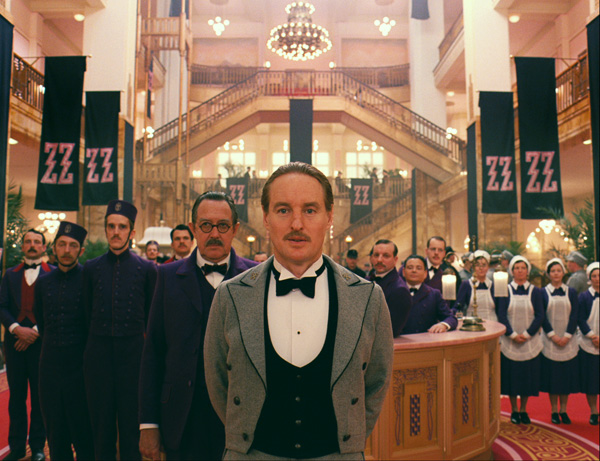
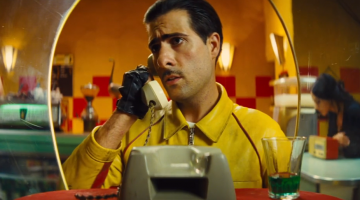
Another Wes Anderson’s style is to put his object of interest (mainly character, but sometimes stuff) in centre of the screen in symmetrical composition. He meticulously plan the scene and composition, resulting a distinct cinematography style. Here are some of few examples:

3. Limited Color Palette
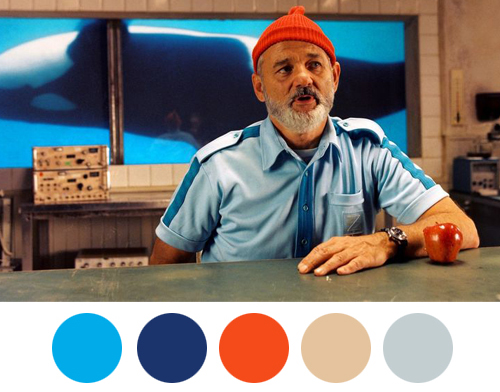
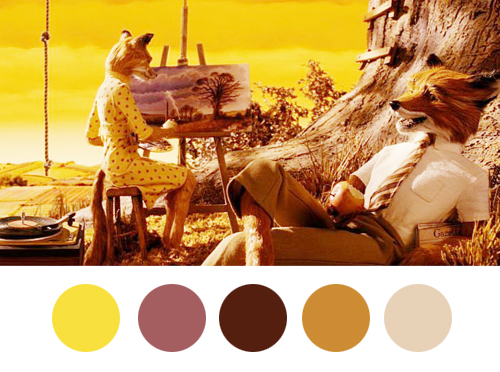
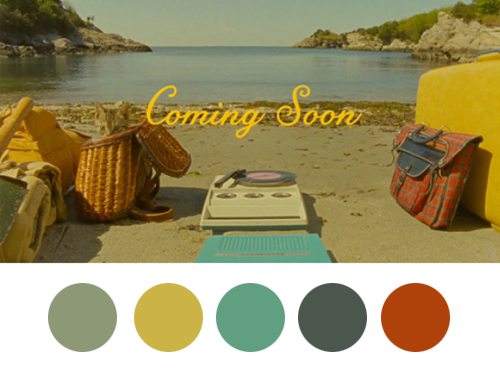
Wes is also known for using limited color palette in his movies, making his movies distinguishable and each have its own character. One of the most prominent is on “Moonrise Kingdom” where Wes used “summer colors” palette in the entire movie, and put grainy effect on the movie to showcase its “retro” look. Here are some of its examples: (image source: http://wesandersonpalettes.tumblr.com/)
4. Recurring Casts
Aside from these distinctive visual styles, Wes Anderson also has habit to work with recurring casts. He loves to work with certain actors/actresses, and they appear in many Wes Anderson movies. The most frequent one is Bill Murray, who appeared in 7 Wes Anderson movies. Not necessarily as main character, but many times as cameo. Here are the list of actors/actresses whom Wes Anderson love to work with (read more in article from Los Angeles Times here)
- Bill Murray (7 movies)
- Owen Wilson (6 movies)
- Jason Schwartzman (5 movies)
- Adrien Brody (3 movies)
- Anjelica Huston (3 movies)
So there you go, a brief story of Wes Anderson movies. If these does interest you, you may want to look at his movie trailers and short movies, which I recommended to watch. Welcome to Wes Anderson world!
The Grand Budapest Hotel (2014)
Moonrise Kingdom (2012)
Darjeeling Limited (2009)
Castello Calvacanti (2013)